


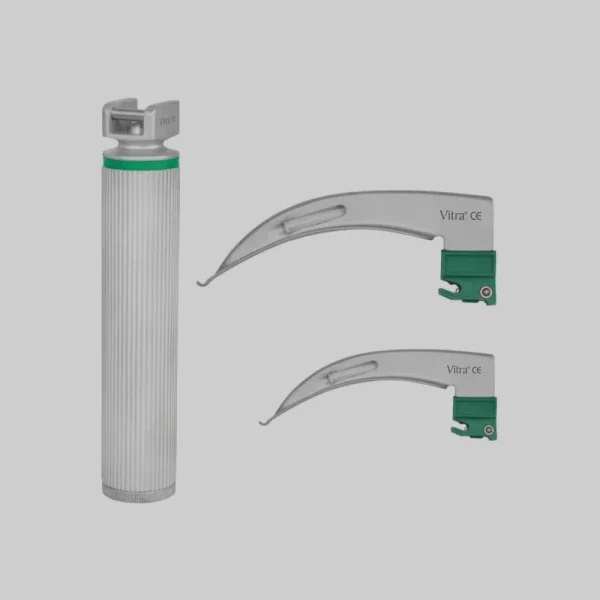
Proper instrument care and sterilization are essential for maintaining performance, safety, and durability. At Vitra Diagnostic, we produce high-quality diagnostic and surgical instruments, and proper maintenance protects both patient safety and equipment lifespan. Clean, well-maintained instruments ensure accuracy and prevent contamination.
1. Why Instrument Care Matters
Medical instruments face biological contaminants, chemicals, and moisture. Without proper care, they lose precision, develop corrosion, and pose infection risks. Caring for instruments ensures long-term reliability and safeguards clinical outcomes.
2. Immediate Post-Use Care
Rinse instruments immediately with warm water to prevent debris from drying. Avoid metal brushes or abrasive pads, and keep instruments moist if cleaning is delayed to prevent organic material from hardening.
3. Manual Cleaning
Manual cleaning is ideal for delicate and complex instruments. Use neutral-pH or enzymatic solutions, gently scrub joints and serrations with soft brushes, rinse with distilled water, and dry thoroughly to prevent rust and staining.
4. Ultrasonic Cleaning
Ultrasonic cleaning removes debris from hard-to-reach areas and protects fine edges. Instruments should be placed in an open position, following recommended cycle times for safe and effective deep cleaning.
5. Inspection & Maintenance
Inspect each instrument for cracks, dull edges, loose joints, or stains. Lubricate hinges with medical-grade instrument milk to ensure smooth movement and prevent friction damage.
6. Sterilization Methods
Steam sterilization (autoclaving) is the most effective method for stainless steel instruments. Keep tools unlocked and spaced properly to allow full steam penetration. For heat-sensitive items, use chemical or dry heat sterilization as recommended.
7. Storage & Handling
Store instruments in a clean, dry, temperature-controlled environment. Use closed cabinets or sterilization pouches and avoid stacking delicate instruments to prevent bending or damage.
8. Common Mistakes to Avoid
Avoid saline, bleach, and corrosive chemicals. Never store instruments when wet, overload sterilizer trays, or skip lubrication. These mistakes lead to corrosion, decreased accuracy, and premature instrument failure.
Conclusion
Consistent care and sterilization are essential for protecting your investment and ensuring patient safety. By following proper cleaning, inspection, and sterilization procedures, healthcare professionals can maintain the precision and performance that Vitra Diagnostic instruments are trusted for worldwide.